Warehouse CCTV and WiFi Network Design: Handling High Ceilings, Large Areas, and Shelf Obstructions
Warehouse CCTV and WiFi Network Design: Handling High Ceilings, Large Areas, and Shelf Obstructions
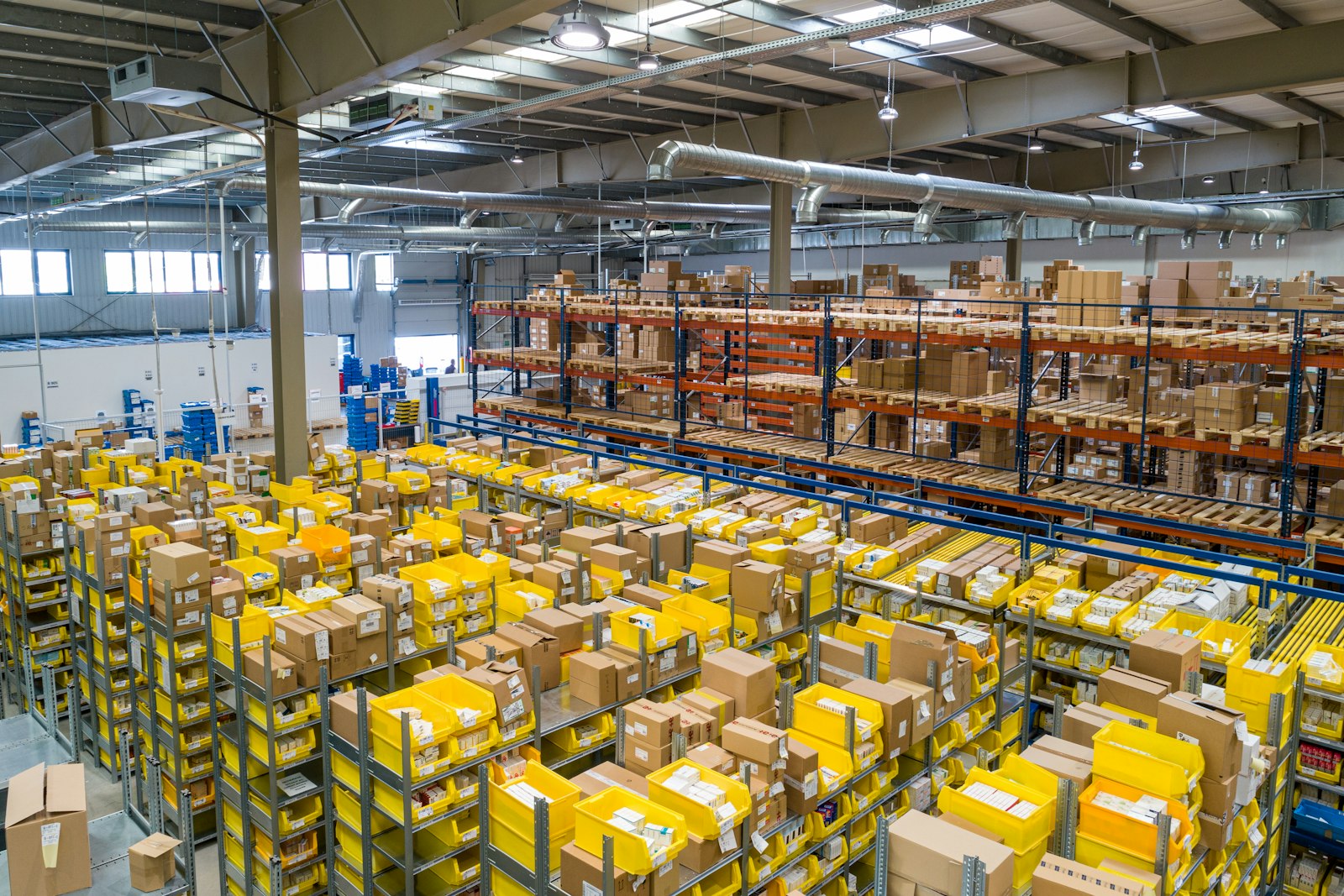
Warehouse and logistics facility CCTV installation is more complex than standard office setups. The space is large, ceilings are high, racking is extensive, forklifts move frequently, and there may be loading bays, cold storage rooms, office areas, and outdoor yards. If the design simply places cameras at regular intervals, blind spots and unusable footage are almost guaranteed.
Areas That Must Be Covered in a Warehouse
- Main entrances and gateways, recording personnel and vehicle access.
- Loading bays and docks, retaining evidence for handover disputes and damage claims.
- High-value goods areas and hazardous material zones, integrated with access control and alarms.
- Main walkways and forklift routes to assist safety management.
- Office areas, receiving counters, and NVR/server cabinet locations.
Camera Height and Angle
Warehouse ceilings are high, but cameras should not be mounted as high as possible. Mounting too high will only capture the tops of heads and racking, making it impossible to identify faces or product details. The professional approach uses high-position cameras for wide-area coverage and mid/low-position cameras for entrances, handover areas, and aisle detail.
WiFi and CCTV Coordination
Warehouses typically need WiFi for handheld scanners, tablets, warehouse management systems, and VoIP. AP placement must account for signal obstruction caused by metal racking, potentially using directional antennas or zonal coverage. The CCTV backbone should use PoE cabling, with WiFi reserved for mobile devices and a few temporary cameras — avoiding high-bandwidth video streams competing for wireless capacity.
Maintenance and Expansion
Warehouse layouts change frequently with inventory and tenant turnover, so CCTV and network infrastructure should include spare switch ports, conduit pathways, and NVR channels. Periodically check whether cameras are blocked by new racking, whether night-time fill lighting is still adequate, and whether WiFi coverage remains stable — these checks are essential to keeping the system effective.