Feasibility Analysis of Solar-Powered CCTV for Village Houses
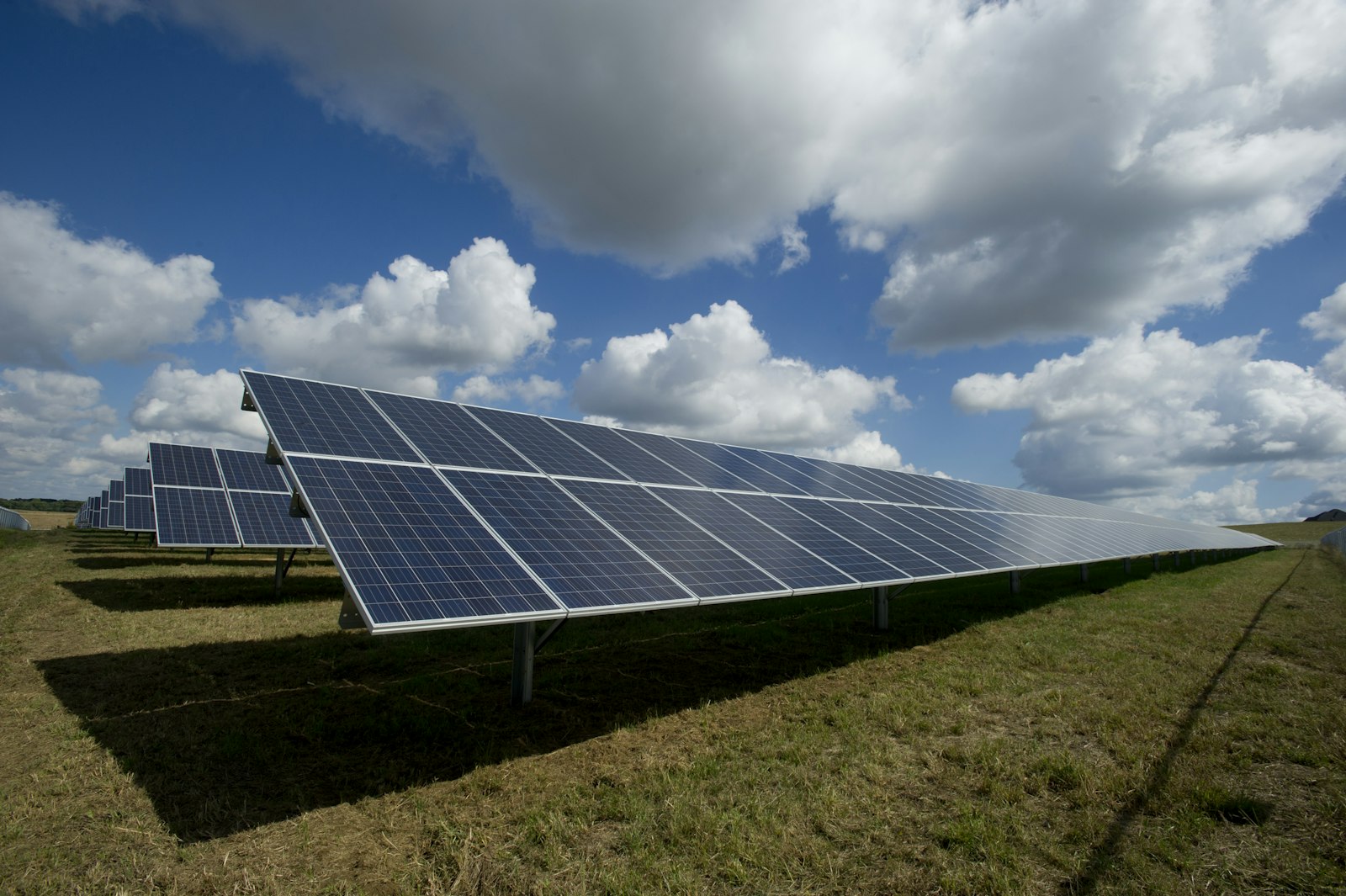
Feasibility Analysis of Solar-Powered CCTV for Village Houses
Many village house residents, farmland owners, and fish pond operators face a common dilemma: they want surveillance, but the location has no mains electricity or broadband. In such cases, solar-powered 4G surveillance cameras seem like the only solution. But are they truly reliable?
System Components
These systems typically consist of three parts: a solar panel, a high-capacity lithium battery, and a 4G/5G CCTV camera. During the day, the solar panel generates electricity and charges the battery; at night, the battery powers the system.
Advantages
- Truly Wireless: No trenching or cabling required. Installation location is extremely flexible — as long as there is sunlight and mobile signal.
- Rapid Deployment: Ideal for temporary construction sites, remote farmland, or orchard theft prevention.
Limitations and Considerations
1. Endurance During Overcast/Rainy Days
This is the biggest challenge. If cloudy or rainy weather persists for a week, the battery will drain and the system will shut down. Choosing high-quality, large-capacity batteries and high-efficiency solar panels is essential. Professional-grade products typically feature a "low-power mode" that only records when human motion is detected, conserving energy.
2. Recording Mode Limitations
To save power, most solar CCTV systems do not support 24/7 continuous recording. Instead, they use PIR (passive infrared) motion-activated recording — the camera only wakes up and records when it detects human movement. This means non-triggered events (e.g., activity occurring at a distance) may be missed.
3. 4G Data Costs
Viewing live footage and cloud backups consume mobile data. You will need a separate SIM card with a monthly data plan.
Expert Advice
Solar-powered CCTV is an excellent tool for solving the "no power, no internet" problem, but it cannot fully replace the reliability of a traditional wired system. If your site allows for electrical cabling, wired power is always the preferred choice. If solar is your only option, be sure to select industrial-grade products and pay close attention to battery capacity and PIR sensitivity. Do not cut corners with inferior products — the last thing you want is to discover the system was offline when you needed it most.